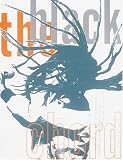
 CITATION: Goldman, V. (1999). The black chord: Visions of the groove connections between Afrobeats, rhythms & blues, hip hop and more. New York: Universe Publishing.
IDENTIFYING #: ISBN 0789303572
CLASSIFICATION: Nonfiction
GENRE: Music/History
CALL #: 781.64 GOL
RECOMMENDED AGE/INTEREST LEVEL: Adult
RATING:4
Annotation: This book traces African contributions to modern world music.
Summary: The photographs of David Corio and the words of Vivien Goldman, as well as an introduction by soul legend, Isaac Hayes, harmonize to tell the story of how music around the globe was influenced, and continues to be influenced, by African and Caribbean roots. When the slave trade scattered Africans far from their native land and customs, many of them held onto the oral tradition and music of their culture as a way of keeping home with them. Many of these songs were about pain, faith, love, and the pain of enslavement.
These songs, many of them spirituals, provided hope and strength, as well as an outlet for an oppressed people's self-expression, but they also were a subversive tool of resistance to that oppression. Slave overseers and owners would often choose to misread the meaning of this singing, preferring to point it out as a sign of contentment. Many overseers saw the singing as merely a way of making time pass more quickly, and felt that it increased fieldhands' productivity. What they didn't know was that many of these songs were an active form of resistance, speaking out against the wrongs of captivity, and that slaves even used the songs to communicate secret messages to one another.
Without intending to, the slave trade sparked a process of cultural diffusion, and musicians in the various lands of captivity began to borrow from African traditions, and "put their own spin" on them, and future generations of African-Americans preserved these traditions and over the years, gave them modern interpretations and forms. The Black Chord details specific musical traditions from various regions of Africa and describes their unique reverberation on the development of modern music. Particular artists, such as Sade, Prince, Brandy, and Monica, are highlighted and the roots of their musical styles are traced back to their lands of origin.
Notes: If you have a real love of music, this is the book for you. My only complaint about this book, is that I think the formatting of the actual text makes it seem less appealing. The font is fine and spread across the pages in such a way that it makes the book seem like a lot to wade through. It's really not! The chapters provide an excellent browsing guide, and several pages, of photos alone, are a work of art. The Black Chord is a great way to learn not only about music, but also about culture and society, and the imprint we human beings make on one another.
